Open Today Sales: 9 AM-6 PMOpen Today Service: 7 AM-5 PM
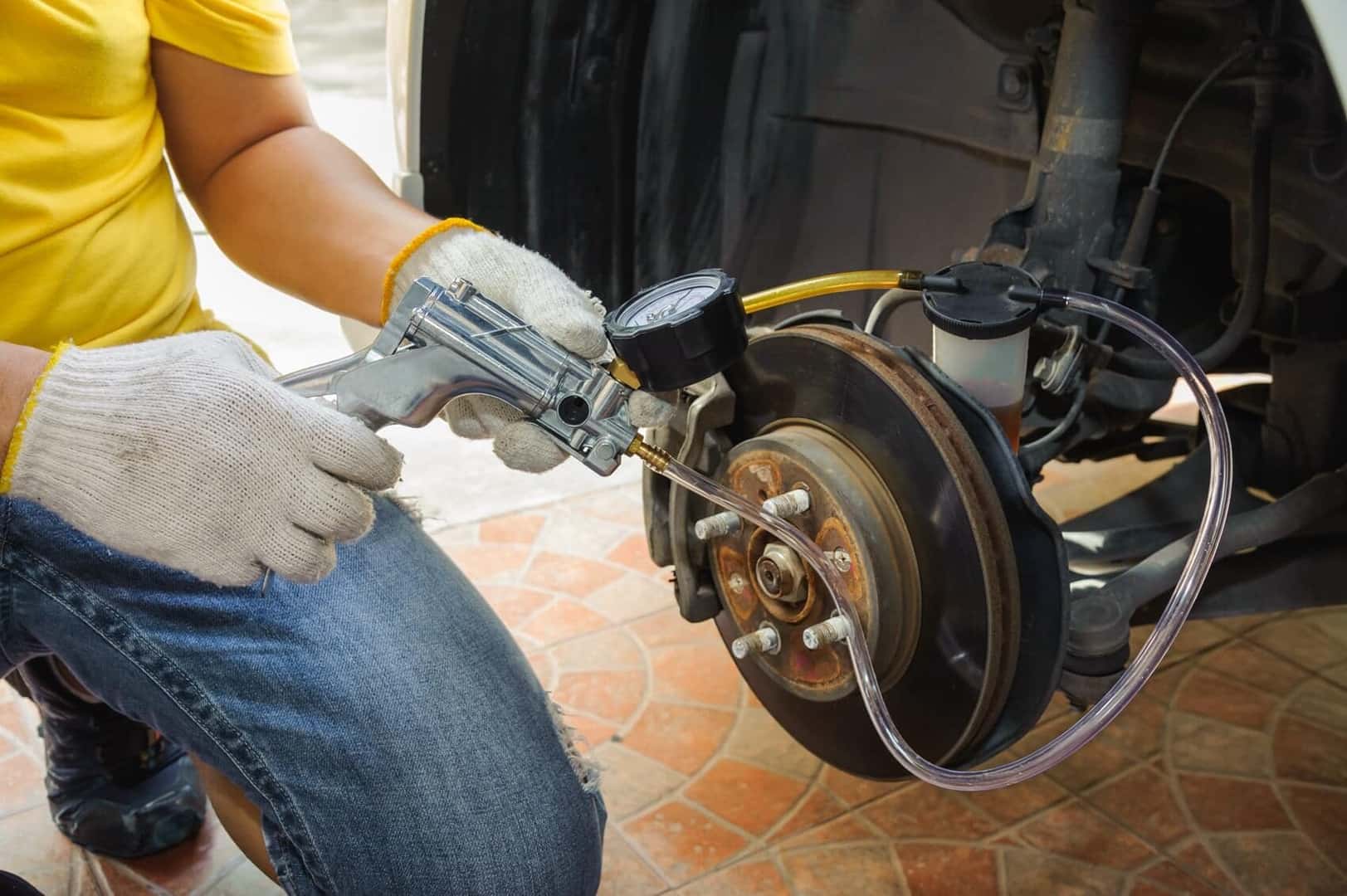
One of the most critical yet often overlooked tasks in vehicle maintenance is brake bleeding. This process involves removing air bubbles from the brake lines, which, if left unchecked, can lead to a spongy brake pedal and reduced braking efficiency during everyday drives near Danvers, North Andover, and Peabody, Massachusetts.
Learning how to bleed brakes is essential whether you're a seasoned DIY mechanic or a car owner looking to maintain optimal brake performance. Our Ira Lexus of Danvers team has compiled this guide to walk you through the process.
Start by parking your car on a flat surface and engaging the parking brake. For safety, place wheel chocks behind the wheels that won't be raised. To access the brake components, you must jack up the car and secure it on jack stands. Once secure, remove the wheels to expose the brake calipers and bleeder valves.
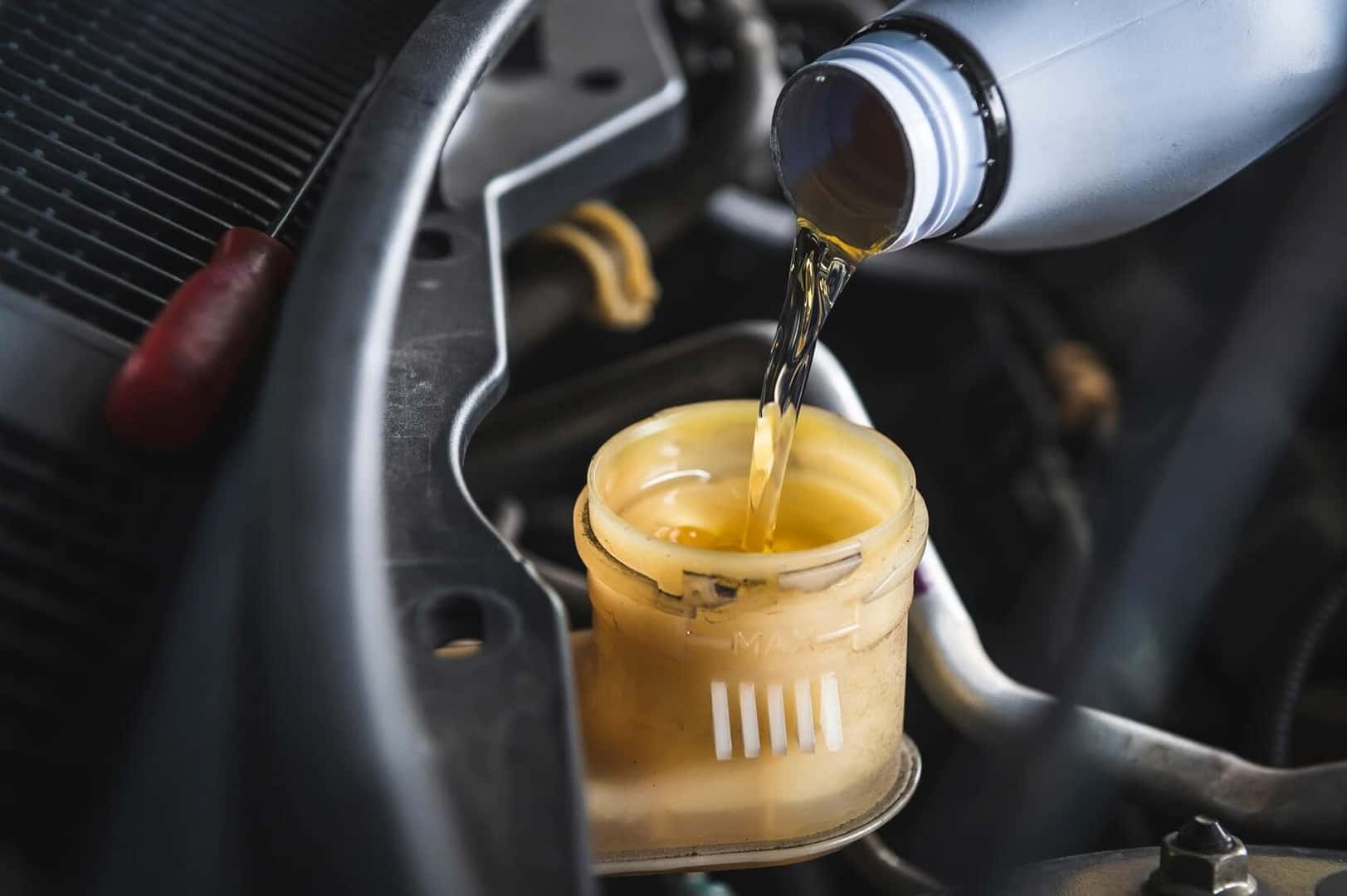
Before you begin, check the brake fluid level in the master cylinder reservoir. If it's low, add the appropriate type of brake fluid specified in your vehicle's owner's manual. Keeping the reservoir filled throughout the bleeding process is essential to prevent air from entering the system.
Identify the bleeder valves on each brake caliper. These are typically small screws with a nipple-like protrusion. Refer to your vehicle's manual to determine the correct order for bleeding the brakes; usually, it's recommended to start with the wheel farthest from the master cylinder and work your way closer.
Next, attach a clear piece of tubing to the bleeder valve, ensuring the other end is submerged in a container partially filled with brake fluid. This setup lets you see air bubbles escaping and prevents air from being drawn back into the brake system.
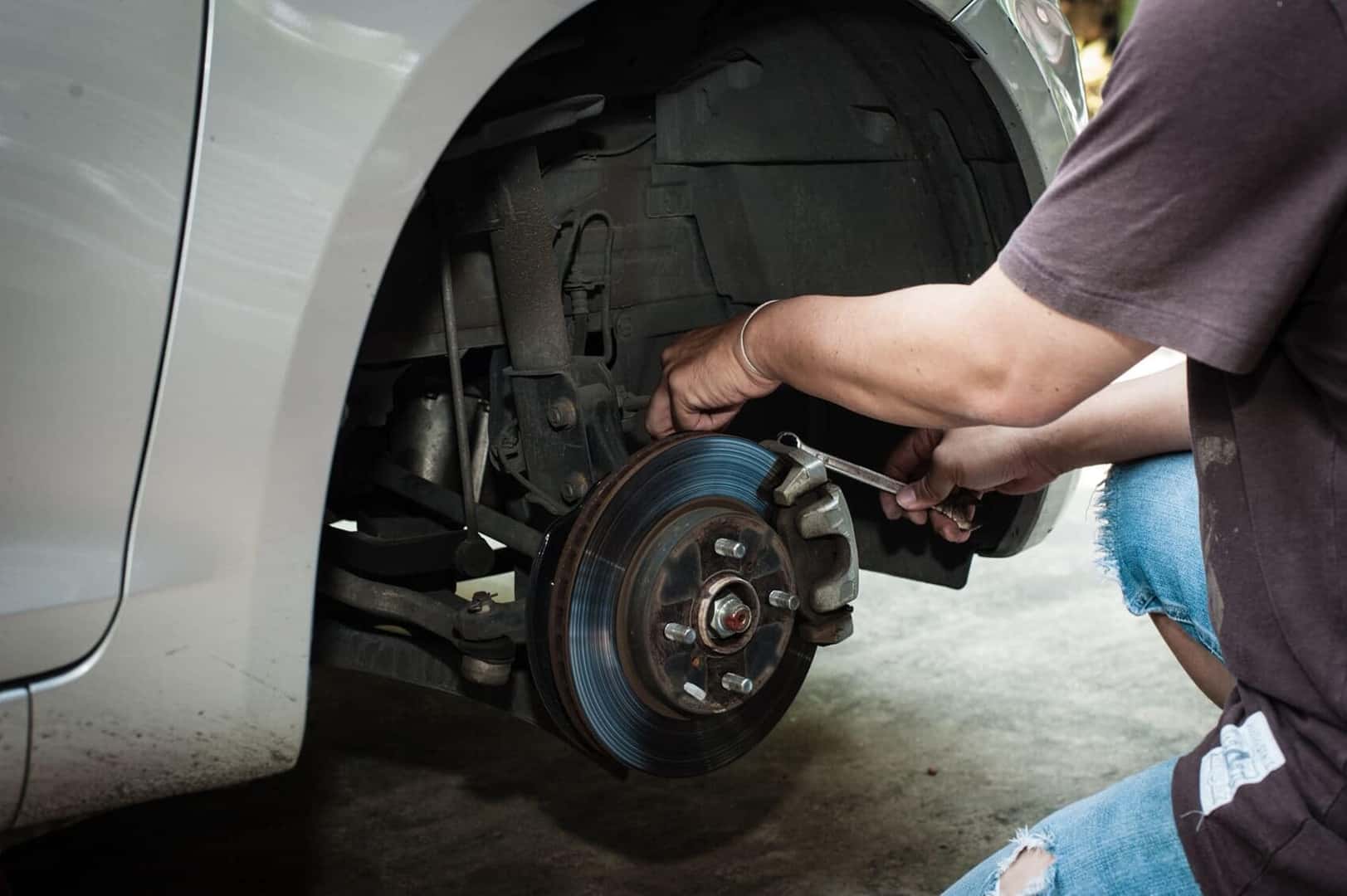
With the tubing secured, have an assistant pump the brake pedal several times and hold it down. While the pedal is employed, slowly open the bleeder valve with a wrench. Brake fluid and air bubbles will flow through the tubing.
Once the flow becomes steady and free of bubbles, close the valve and have your assistant release the pedal. Repeat this process until you've bled each brake in the correct sequence.
After bleeding each brake, always check the fluid level in the master cylinder and top it off as needed. It's crucial to prevent the reservoir from running dry, which can introduce air into the brake system, undoing your work.
Once all four brakes are bled and the master cylinder is full, replace the wheels and lower the vehicle. Before driving, pump the brake pedal to ensure it feels firm. If the pedal is still soft, air may be trapped in the lines, and you must repeat the bleeding process.
Brake fluid is toxic, and it should be disposed of at a proper recycling facility. Do not pour it down the drain or onto the ground.
While bleeding brakes is a task many can perform at home, it requires precision and care. If you're uncomfortable doing it yourself or want to ensure the job is done right, consider visiting our Ira Lexus of Danvers service center serving Danvers, North Andover, and Peabody, MA. Our trained technicians have the expertise and tools to keep your braking system in top condition, ensuring your safety on the road.
Contact us or use our online scheduler to book your appointment today.